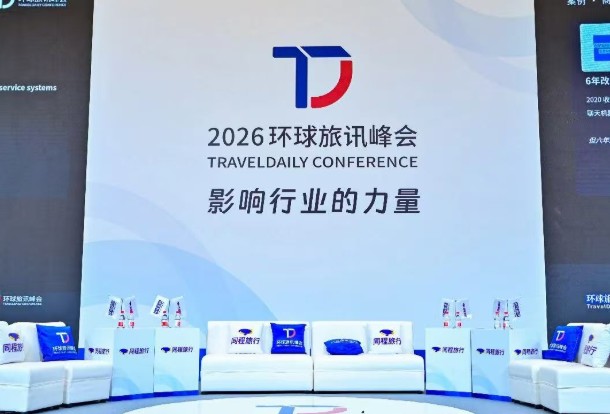

At TravelDaily’s Hotel Marketing Conference this year, Drew Pinto, Executive Vice President and Chief Revenue & Technology Officer at Marriott International, had a conversation with Charlie Li, CEO of TravelDaily.
They discussed localization, digitalization, AI, non-room revenue, and the relationship between people and technology, exploring what will shape the future competitiveness of global hotel groups.
Marriott has been pondering one question: what should global brands preserve, and what should they change?
Drew’s answer is that core brand values and quality must remain consistent, while how products and services are delivered can be localized.
Since 2025, Marriott has launched a mobile app tailored to the Chinese market and built an independent local technology and digital team in China. The goal is not to completely separate the Chinese market from Marriott's global system, but to give the China team greater room for innovation while maintaining global infrastructure, security standards and technical specifications.
“China speed” was a recurring theme during the talk.
Digitalization is advancing rapidly in China, meaning new technologies and products can be tested there first. If proven successful, these innovations and lessons learned could be replicated in other markets.
In other words, localization for global hotel groups is no longer merely about “adapting to China”; it may also mean taking innovations developed in China to global markets.
As the hospitality industry embraces AI, Marriott does not believe technology will ultimately replace the human element of hotel service.
Drew summed up Marriott’s technology philosophy in one phrase: “Human-centered, tech-enabled.”
That is, putting people first and using technology to empower them.
In his view, hotels should adopt technology that helps employees reduce repetitive tasks. Yet time saved by technology should not mean fewer human interactions with guests. Instead, it should allow employees to spend more time serving customers.
This marks one of the biggest differences between hospitality and many other industries.
Drew also stressed that even the same guest may have vastly different preferences for digital tools and human interactions across different travel scenarios.
Therefore, what hotels truly need to build is not a one-size-fits-all approach to AI, but a flexible service system that adapts to different brands, scenarios and guest needs.