In the past, international hotel brands followed a clear expansion playbook: enter Beijing, Shanghai, Guangzhou and Shenzhen first, move into provincial capitals next, and leave smaller cities for later. But that logic is now being rewritten.
The answer can be found in the ownership structure behind these projects. The owner of Sofitel Anji is a county-level state-owned enterprise backed by Anji government.
For local government investment platforms and state-owned enterprises, the goal is not simply to “open a hotel and make quick money.” Instead, international brands are being used as a strategic toolkit — to upgrade regional amenities, attract investment, and enhance the destination’s image. One key can unlock multiple doors.
The deeper shift lies in the changing role of these local platforms. They are no longer just construction entities that build projects and walk away. They are learning to become urban operators. Bringing in an international hotel brand can instantly elevate the value and positioning of an entire area.
But the pressure on state-owned investors is also mounting. Most upscale county hotels adopt a model where state-owned enterprises own the property while hotel groups provide brand and management services. Meanwhile, hotel investment payback periods have generally stretched to five to eight years.
Industry data shows that in the first quarter of 2026, the average hotel occupancy rate dropped to 51.3%, while operating costs per room increased by 23%. For local state-owned enterprises, this is a long-term battle that requires both patience and financial resources.
Why Zhejiang?
According to research from Meadin, in the first quarter of 2026, high-end hotel signings in third-tier, fourth-tier and lower-tier cities accounted for 62% of all new signings — far outpacing the share of first-tier cities such as Beijing, Shanghai, Guangzhou and Shenzhen.
The difference between Zhejiang’s counties and other county-level markets is that they not only have strong consumer spending power, but also sustained appeal as tourism destinations.
By the end of 2025, Zhejiang had 93 five-star tourist hotels, the highest number among all provinces in China. The province added nine new five-star tourist hotels in 2025 alone, marking a record increase.
In the first quarter of 2026, Zhejiang ranked third nationwide in terms of new hotel openings, with 111. More importantly, its hotel expansion was more geographically dispersed and reached deeper into county-level markets.
Take Anji as an example. The county has ranked No. 1 among China’s top counties for comprehensive tourism strength for years. From attractions such as Hello Kitty Park and Cloud Grassland, to natural destinations including the Bamboo Expo Garden and Jiangnan Tianchi, along with more than 300 distinctive village cafés and 50 campsites, Anji has no shortage of reasons to keep visitors staying longer.
International brands are not simply “going rural.” They are adapting to county markets through sub-brands and upscale select-service hotels — testing the waters first, then expanding deeper.
The expansion of international hotel brands into Zhejiang’s counties is not a recent phenomenon. In 2015, Anji welcomed JW Marriott Anji, though it was a special resort project built around a golf destination. For a long period, the main force behind international hotel expansion into county markets was select-service brands such as Fairfield by Marriott and Four Points by Sheraton.
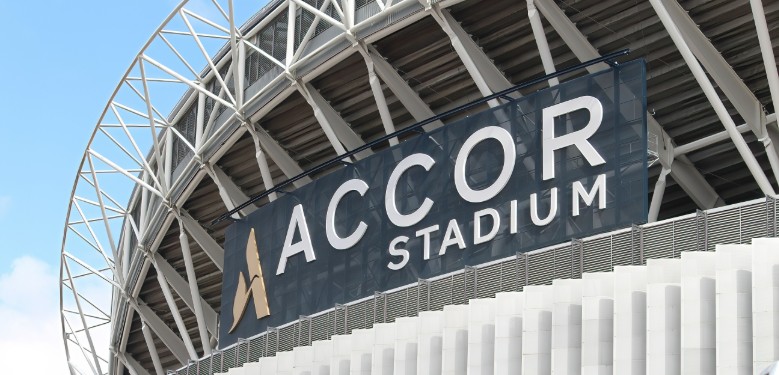
The defining change in 2026 is that luxury brands such as Sofitel under Accor are also beginning to establish a more clustered presence across county-level markets.
The golden era of county-level tourism has arrived. Global hotel giants no longer want to — and cannot afford to — miss this opportunity. And nowhere is this transformation more visible than in Zhejiang’s counties.