
Bought a ticket, only to be told at check-in that the flight was overbooked and you could not board?
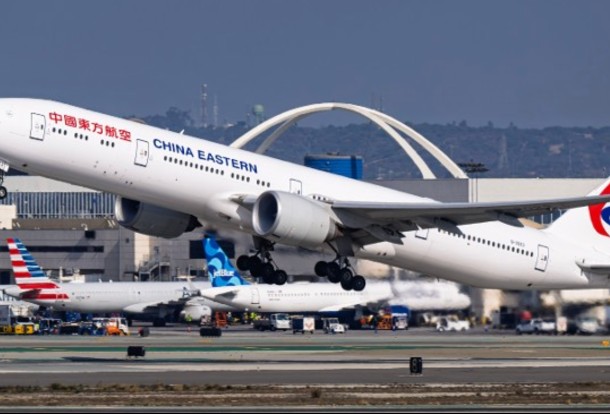
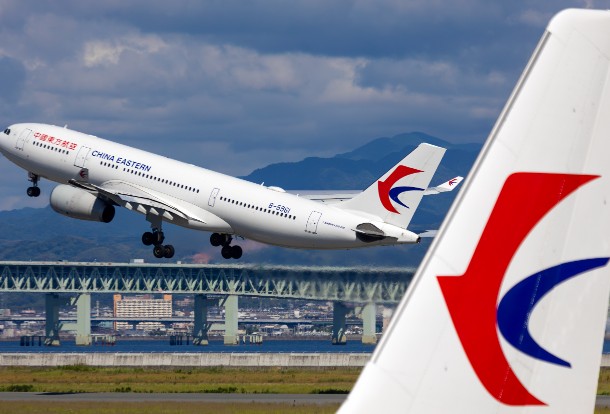
Consumer protection organizations from Beijing, Tianjin and Hebei recently called in 10 airlines, including Air China, China Southern Airlines, China Eastern Airlines and Hainan Airlines, as well as five online travel platforms — Trip.com Group, Tongcheng Travel, Fliggy, Qunar and Meituan — for talks in Tianjin over flight overbooking.
The companies were required to complete internal reviews and corrective actions by August 31, 2026. The consumer groups also put forward four rectification requirements during the meeting.
First, information provided during ticket purchases must be clear and prominent. Online booking channels must display complete information on overbooking policies, handling procedures and cash compensation standards in a prominent, standalone format. Airlines and platforms must not use small fonts, collapsed sections, light-colored text or other methods to downplay key information. A general statement such as “there may be a risk of overbooking” is not sufficient — passengers must be able to clearly understand the potential risks before purchasing tickets.
Second, on-site handling must follow proper procedures and avoid involuntary denied boarding whenever possible. When overbooking occurs, airlines must first seek volunteers willing to give up their seats and must not deny passengers boarding without first consulting them. Passengers requiring special assistance, including elderly travelers, children and those with medical needs, should receive additional protection. Airlines and platforms should flag these passengers in their booking systems so that they can be given priority when seats are allocated.
Third, compensation must be provided promptly, and passengers must be allowed to choose cash rather than vouchers. Passengers denied boarding due to overbooking should be able to choose between a full refund and free rebooking, without paying handling fees or fare differences. Airlines must not force passengers to take inconvenient overnight or red-eye flights.
Airlines should establish tiered cash compensation standards and allow passengers to choose cash payments. They must not substitute miles, vouchers or other forms of compensation without the passenger’s consent. If passengers cannot continue their journey on the same day, airlines must provide accommodation, meals and transportation free of charge.
Fourth, complaint channels must be accessible and responsive. Airlines must maintain dedicated records for overbooking-related complaints and establish clear timelines for receiving, processing and responding to them. Online travel platforms should integrate their complaint systems with those of airlines to ensure passengers have a clear channel through which to raise concerns and receive timely responses.