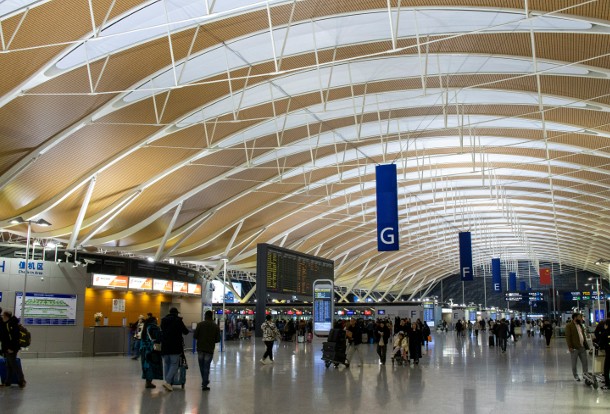
On May 7, after 22 years of operation, Guangzhou Baiyun Airport Terminal 1 officially closed for renovation. Eleven domestic airlines relocated to Terminal 3, while the Airport South Station on Metro Line 3 stopped serving passengers during the transition.
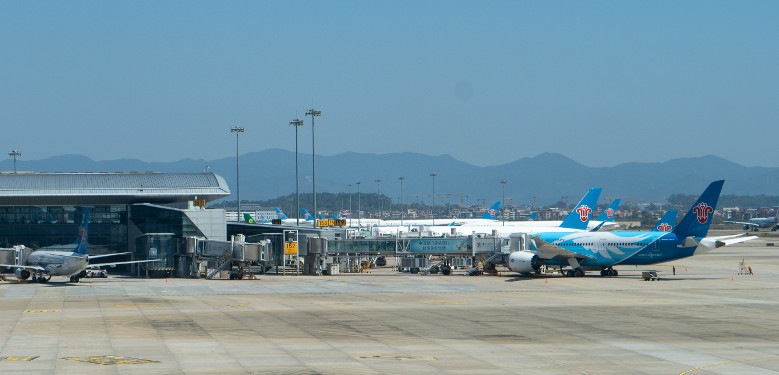
The relocation has created a clear structure at Baiyun Airport: China Southern Airlines and its affiliates dominate Terminal 2, while most other carriers are clustered in Terminal 3.
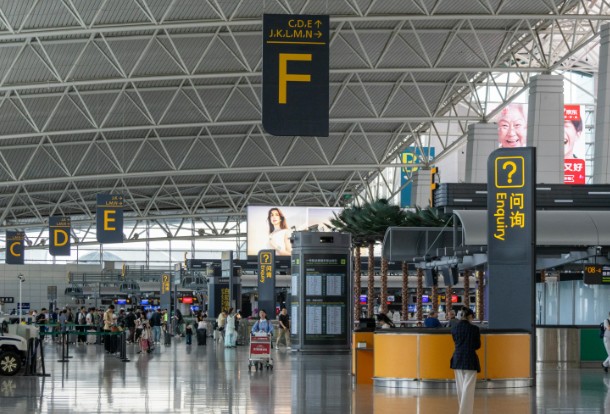
Currently, three non-China Southern domestic airlines remain in T2: Loong Air, Chengdu Airlines, and 9 Air. Loong Air and Chengdu Airlines handle check-in at the J concourse, while 9 Air operates from the F concourse.
These carriers, along with Xiamen Air, Sichuan Airlines, and Hebei Airlines, mostly use gates in the more distant B236–250 area. Passengers need to walk about 15 minutes from security, and lounges are also some distance away. Nevertheless, the overall process remains smooth, with many travelers describing the experience as “more seamless.”
By contrast, T3’s pain points are pushing more passengers toward China Southern:
The carrier’s advantages at T2 have been fully amplified:
* Easier ground access: Metro Line 3’s Airport North Station provides direct access—no transfers, no waiting for intercity trains. Travel times to and from Guangzhou are predictable.
* Stable operations: With no terminal relocation or process adjustments required, flight punctuality and ground handling efficiency can remain relatively steady.
* Stronger home-field advantage: China Southern already had the largest flight volume and international share at Baiyun Airport. The reshuffle further reinforces the perception that flying China Southern from Guangzhou is the more hassle-free choice.
More importantly, this adjustment directly affects competition on core trunk routes.
The Beijing–Guangzhou route is a key business travel artery in southern China. After Air China moved to T3, the widebody share dropped, and on-time performance had been affected by longer taxiing times. China Southern, meanwhile, has increased widebody deployments at T2, raising both fares and passenger volume, and strengthening its grip on business travelers.