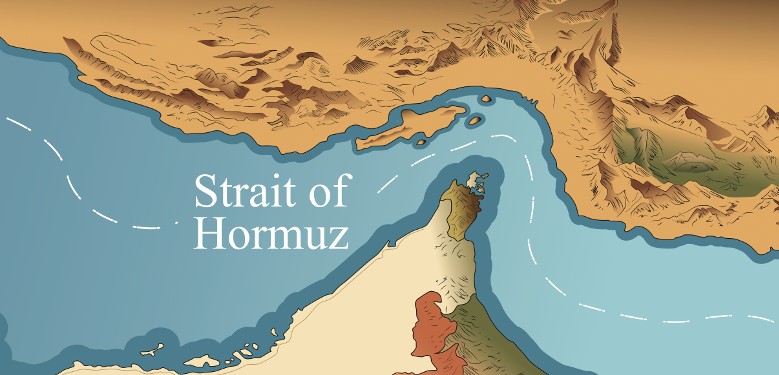
Previously, Iran had closed the Strait of Hormuz, disrupting nearly 21% of global seaborne trade and aviation fuel supply.
Most Gulf oil imported by East and Southeast Asian countries passes through the Strait, making the region particularly exposed. Once supply is disrupted, the immediate impact is a spike in energy costs and, in turn, rising airfares.
According to an industry insider, there is a clear lag in how price changes transmit from the fuel market to the aviation sector. It’s not a simple case of “oil prices drop, airfares immediately follow.”
“On one hand, supply cannot recover overnight. After such a prolonged disruption in Hormuz, Middle Eastern production needs time to ramp up. On the other hand, aviation fuel refining is complex, and the supply chain is tight, so recovery won’t happen within days.”
“Meanwhile, the May Day holiday falls in peak travel season. Some Southeast Asian airlines have cut capacity, and with supply tightening, there is little incentive to lower fares significantly.”
Even with the Strait of Hormuz reopening, aviation fuel supply will take time to normalize. With travel demand surging during the holiday, airfares are far more likely to rise than to fall in sync.