
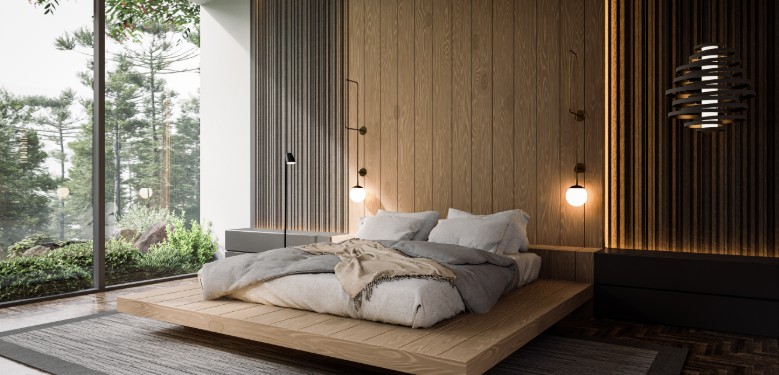
Over the past year, complaints about hotels using AI-generated images to mislead customers have become increasingly common on Chinese social media platforms such as Xiaohongshu and Douyin, as well as consumer complaint site Black Cat Complaints.
Some travelers have shared stories of booking family holidays after seeing promotional photos featuring water slides, streams, lush gardens and children's play areas, only to arrive and find that none of these facilities actually existed. In some cases, construction sites were located just a few hundred meters away, with dust filling the air. When confronted, hotels allegedly offered evasive responses and a string of excuses.
The proliferation of AI-generated imagery across accommodation booking platforms has exceeded expectations. From hotel exterior photos and room videos to hotel facilities, equipment and dining services, AI-generated content is increasingly replacing real-life photos and videos on a large scale, often becoming almost indistinguishable from reality.
Yet most consumers lack the expertise to identify AI-generated images. Highly realistic visuals can easily mislead potential guests, making it increasingly difficult to verify what a hotel actually looks like before booking.
Why are hotels doing this? Ultimately, it comes down to money.
The hotel industry is grappling with a serious oversupply problem. As room supply continues to grow, price wars have become the norm.
The pressure is particularly acute for independent hotels. According to the China Tourist Hotels Association, independent hotels recorded an 18% year-on-year increase in guest arrivals in the first half of 2026, while revenue fell 4.7%. Average room rates dropped by more than 20%.
Without the extensive membership bases of major hotel chains or preferential visibility on booking platforms, independent properties are facing mounting revenue pressure. In this environment, a handful of attractive images on an OTA platform can be one of the cheapest ways to attract customers.
OTAs, including Ctrip, have now begun tightening their image review processes, strengthening scrutiny of AI-generated visuals, excessively enhanced photographs and images that misrepresent actual hotel conditions. Non-compliant images may be rejected, flagged for correction or removed altogether.
Stricter platform oversight raises the cost of doing business, particularly for small and medium-sized independent hotels and guesthouses marketed as idyllic retreats.
But in the long run, once hotels can no longer rely on fabricated AI imagery, what competitive advantages will they have left? How can they harness the potential of AI without allowing it to harm the industry itself?
These are the questions that will shape the long-term prospects of individual hotel brands and the wider hospitality sector.