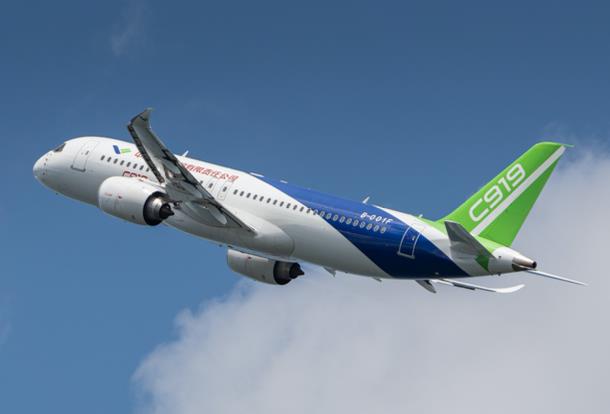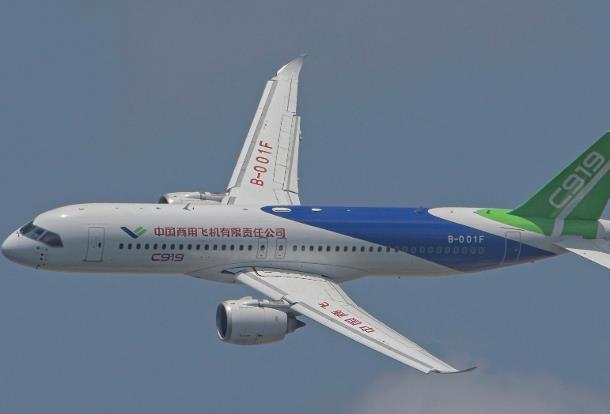

In July 2026, China’s domestically developed passenger aircraft achieved two major milestones in their international expansion.
The C919 narrow-body jet is set to launch service on its first international route, connecting Beijing and Ulaanbaatar on August 12, while the smaller C909 regional jet secured an order for 20 aircraft from Cambodia’s national airline.
From Indonesia and Laos to Vietnam, Mongolia and Cambodia, the overseas footprint of China-made aircraft is expanding rapidly.
This overseas push is underpinned by a continued ramp-up in production capacity. Around 15 C919 aircraft were delivered in 2025, while deliveries are expected to reach at least 28 units in 2026. Production is projected to increase to one aircraft every 10 to 15 days.
The second-phase expansion of the C919 final assembly line is also progressing. Once the second final assembly facility in Shanghai Pudong becomes operational, annual production capacity is expected to exceed 100 aircraft. In the longer term, Commercial Aircraft Corporation of China (COMAC) has set a target of achieving annual production capacity of 200 aircraft by 2029.
Meanwhile, the C909 has gained momentum in Southeast Asia. The regional jet has entered markets including Indonesia, Laos and Vietnam. So far, C909 aircraft have served 25 overseas routes, connected 28 cities and carried more than 1 million passengers.
The large-scale production of both the C909 and C919 represents more than the success of individual aircraft models. It is also driving the development of the broader aviation supply chain. Under the OEM-supplier model commonly adopted in commercial aviation, numerous companies are deeply involved across areas ranging from airframe structures and aviation materials to onboard systems.