Even the hotel‑robot leader that has landed major clients including Marriott and Atour is still struggling to turn a profit.
Hong Kong-listed Yunji Technology released its H1 2026 performance forecast. It projects revenue to surge 62%‑79% year‑on‑year to RMB 177‑195 million(about USD26.23‑28.90 million), while net loss is expected to narrow by 9%‑27% to RMB 105‑130 million(about USD 15.56‑19.27 million).
The underlying logic is straightforward: hardware prices for hotel robots are plummeting at a striking rate.
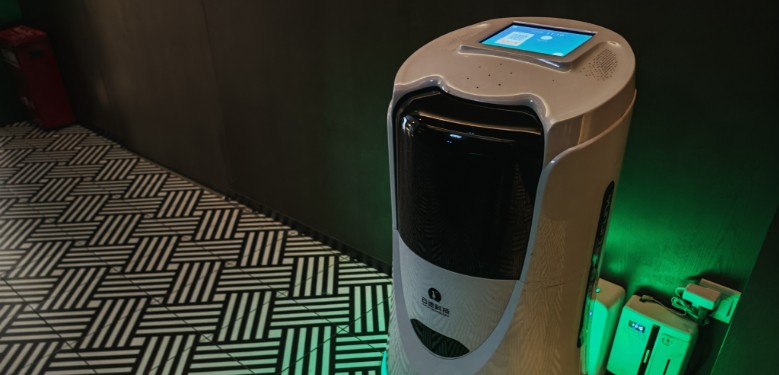
A single delivery robot once cost RMB 130,000 (about USD 19,266). Today, the industry average has tumbled to RMB 10,000‑30,000 (about USD 1,482‑4,446).
Gross margins on hardware keep getting squeezed, even as R&D and sales expenses continue to climb.
The faster companies scale, the more cash they burn. This is a shared predicament facing Yunji Technology and the broader commercial service robot sector.
Beyond the financials, however, hotel robots are delivering tangible improvements in hotel operating efficiency.
According to an industry study based on 3,187 monthly observations from 357 hotels in China, every additional 1,000 monthly tasks completed by hotel robots was associated with a 4% increase in occupancy, a 4.57% rise in average daily rate (ADR), and a 9.63% increase in revenue per available room (RevPAR).
The biggest change is in operating efficiency. For a midscale hotel with 200 rooms, deploying one delivery robot integrated with the property‑management system (PMS) speeds up response times to guest requests by 40% and cuts front‑desk labor costs by 60%.
Yet the same story does not hold at the luxury end of the market.
Though Yunji serves Marriott, IHG and Hyatt, there is a clear divide even within Marriott’s portfolio: brands such as Four Points and Fairfield by Marriott use robots, while The Ritz‑Carlton and other luxury brands tend to avoid them.
Behind this is a deeply rooted consumer expectation: luxury hotels sell not just efficiency, but personalized service and even a sense of exclusivity.
The data bears this out: delivery robots penetration remains below 10% at luxury hotels that emphasize highly personalized service, compared with more than 32% among upper midscale hotels in China’s tier‑one cities.
This divide also constrains Yunji’s growth. Moving upmarket is difficult because luxury brands remain reluctant to adopt robots, keeping penetration below 10%. Moving downmarket presents another challenge: budget hotels are extremely price‑sensitive, and even a RMB 20,000‑30,000 robot remains something of a “luxury” purchase.
The upper midscale segment has therefore become the core battleground for hotel robot vendors. But Yunji faces fierce competition from numerous rivals fighting for market share here.