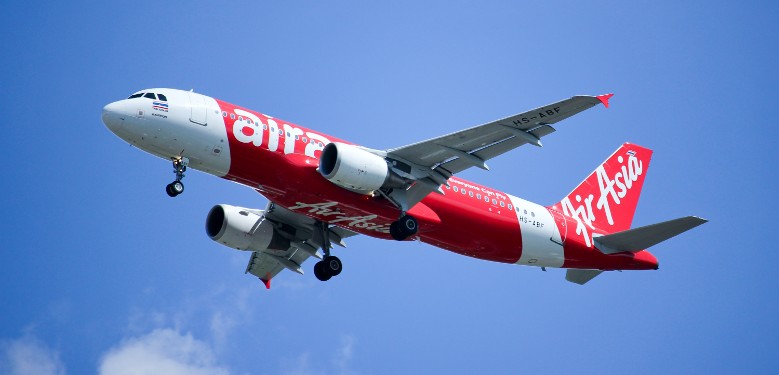
In the wake of escalating geopolitical conflicts, the hardest hit in this energy crisis are not the full-service carriers, but Asia’s low-cost airlines like AirAsia, Lion Air, and Cebu Pacific.
They appear to be facing a predicament reminiscent of Spirit Airlines in the U.S.—fuel costs may become the final straw.
Mr. C, a civil aviation expert, noted that under current conditions, the entire aviation industry is under pressure, but low-cost carriers are facing the greatest strain.
“Southeast Asian low-cost airlines are now largely relying on charter flights organized by Chinese travel agencies to stay afloat, and some carriers have already turned to governments for subsidies.”
Senior industry professional Mr. J has observed that the pressure is not limited to low-cost carriers. Full-service airlines are also being forced to “learn from the low-cost model.”
He pointed out a clear trend in recent years: the boundaries between full-service and low-cost carriers are blurring.
Airlines like China Southern have introduced branded fares, unbundling baggage allowance, mileage accrual, and airport transfers into separate paid options — a model increasingly similar to that of low-cost carriers.
“In essence, full-service airlines are not having an easy time either. They are copying the low-cost playbook simply to survive.”
Mr. C added, “China’s big three full-service carriers actually have weaker risk resilience and profitability models than low-cost carriers such as Spring Airlines and 9 Air. Once oil prices rise, full-service carriers with more long-haul routes suffer more obvious losses.”
So far, Asia has not seen a low-cost airline publicly filed for bankruptcy in the same way Spirit Airlines did. But the warning signs are moving closer.