
Previously, amid tensions and conflict in the Middle East, the industry widely expected Chinese outbound travelers to shift back toward short-haul destinations. Southeast Asia—Thailand in particular—was seen as one of the biggest beneficiaries.
Data from VariFlight shows that as of April 24, flight bookings from China to Thailand for the upcoming May Day holiday have surged by more than 30% year-on-year.
Looking back at 2025, Thailand’s tourism sector experienced a significant setback. Negative publicity surrounding incidents such as the “Wang Xing case” weighed heavily on demand. The number of Chinese visitors to Thailand dropped to around 4.4 million, down more than 60% compared to 2019. Their share of total arrivals fell from 28% to 13.5%. Even amid the broader global tourism recovery, Thailand’s overall tourism revenue remained 15%–20% below 2019 levels.
2026 was widely expected to be a “year of recovery.” Yet reality has proven more volatile.
On April 10, a freshman student from a university in Guangdong, known as “Xiaoyang,” traveled to Thailand at a friend’s invitation to attend the Songkran Festival. Her family, who had not been informed in advance, later discovered that she had been lured into a telecom fraud compound in Myanmar’s Three Pagodas Pass area.
The significance of such incidents lies not only in the cases themselves, but in their erosion of the broader sense of safety. For ordinary travelers, perceived risk often matters more than actual probability. Once a perception takes hold, it can quickly feed into consumer decision-making.
Beyond fraud-related incidents, safety concerns during this year’s Songkran Festival also drew widespread attention. According to Thailand’s Department of Disaster Prevention and Mitigation, between April 10 and 16, there were 1,242 traffic accidents nationwide, resulting in 1,200 injuries and 242 fatalities.
If safety concerns are weighing on the demand side, flight disruptions are now beginning to hit the supply side.
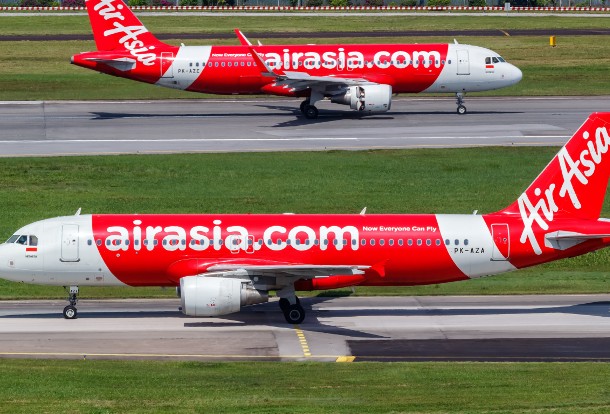
Due to rising jet fuel prices and other factors, several airlines have adjusted their Southeast Asia routes, with some flights to Thailand being canceled. On social media, complaints have been mounting: “Shanghai–Bangkok flights during May Day holiday were canceled outright,” “Tickets were canceled with no rebooking options, while hotels had already been booked,” and similar issues affecting popular destinations such as Bangkok and Phuket.
In short, unstable flight capacity not only disrupts travel plans but also further undermines consumer confidence in making bookings.